
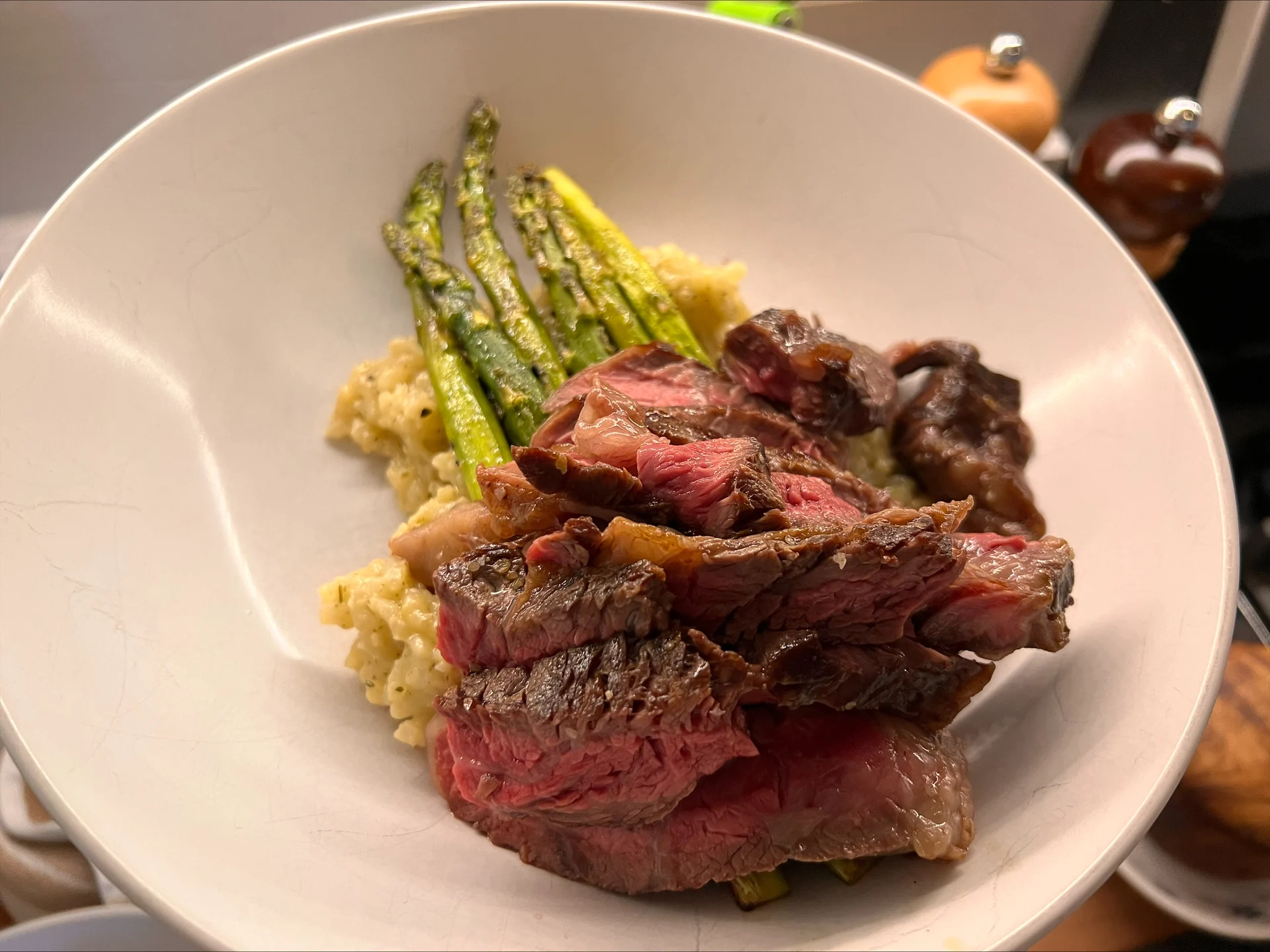
One of the most common questions in the kitchen is, “How long should I cook this?” Whether you’re preparing a steak, roasting vegetables, or grilling chicken, cooking time is an important guide. However, relying on time alone doesn’t always guarantee perfect results.
Several factors influence how quickly food cooks, including the thickness of the ingredients, the type of pan, the heat source, and the temperature of the food before cooking begins. A timer can help you stay organized, but learning to recognize the signs of doneness is an even more valuable skill.
When preparing vegetables, your senses are among the best tools for judging doneness. Whether you’re blanching, roasting, sautéing, or grilling, pay attention to changes in color, texture, aroma, and appearance.
Well-cooked vegetables should generally retain their natural color and have a pleasant texture. Many vegetables taste best when they are tender but still have a slight bite, rather than becoming overly soft or mushy.
For roasted, grilled, and sautéed vegetables, look for light browning or charring. These changes can develop deeper flavors and improve the overall taste of the dish.
Caramelization occurs when natural sugars brown under heat, while other browning reactions may also contribute to the color and flavor of cooked vegetables.
Tasting vegetables as they cook can help you identify the texture and flavor you prefer. With regular practice, you’ll become more confident in recognizing when they are ready to serve.
When cooking meat, fish, and poultry, appearance and texture provide useful clues, but internal temperature is one of the most reliable ways to determine doneness and food safety.
An instant-read digital thermometer makes this process much easier. Insert the probe into the thickest part of the meat, avoiding bones and areas of excessive fat. For thin cuts, insert the probe from the side so the sensing area reaches the center.
Check the temperature carefully and remove the meat from the heat when it reaches the appropriate target for the food being prepared.
For food safety, use these general minimum internal temperatures:
Always use a food thermometer rather than relying on color alone to determine whether meat is safely cooked.
Browning plays an important role in developing flavor. When meat is seared in a hot pan or cooked over a grill, the surface can develop a rich brown crust through the Maillard reaction.
This chemical reaction occurs between amino acids and reducing sugars under suitable cooking conditions, creating many of the savory aromas and flavors associated with roasted and grilled foods.
For better browning, pat the surface of the meat dry before cooking and avoid overcrowding the pan. Giving the meat sufficient contact with a hot cooking surface helps create a flavorful crust.
Remember that browning on the outside does not necessarily mean the inside has reached a safe temperature. Use a thermometer to check the center.
Resting is an important part of preparing juicy, flavorful meat. After cooking, allow the meat to rest before cutting and serving it.
During this period, the temperature may continue to rise slightly, a process known as carryover cooking. The amount of additional cooking depends on the size and thickness of the cut, the cooking method, and the temperature at which it was removed from the heat.
For many steaks and smaller cuts, a resting period of around five minutes can be helpful. Larger roasts may require longer.
If you’re aiming for a particular final temperature, account for carryover cooking when deciding when to remove the meat from the heat. For food safety, ensure the required safe internal temperature is achieved.
Becoming a better cook is about more than memorizing cooking times. It’s about understanding how ingredients respond to heat and learning to recognize the signs of doneness.
Pay attention to color, texture, aroma, and the way food feels as it cooks. Use a thermometer when internal temperature matters, and keep notes about what works best with your equipment and ingredients.
With practice, you’ll develop a better sense of timing, improve your consistency, and gain the confidence to prepare meat and vegetables with excellent results.
The key to better cooking is simple: use time as a guide, your senses as indicators, and a thermometer when precision and food safety matter.